Quick answer: source wooden toys from China by verifying the production site, asking for item-specific EN71 or ASTM F963 reports, comparing carton volume rather than unit price alone, confirming the MOQ in writing, and agreeing the inspection and spare-parts process before you pay a deposit.
China is the largest wooden toy manufacturing base in the world, and Yunhe County in Zhejiang is one of its centres. That density is good for buyers: materials, fittings, painting and packing are all available within a short drive. It also means the market is full of suppliers who can show a catalogue but cannot show a factory.
This guide is written for importers, wholesalers, retailers and brand owners who want to buy wooden toys without a full-time sourcing team. It is the process we would use if we were on the buying side.
1. Decide what kind of supplier you need
There are three common models:
- A factory makes the product, controls the process and can change the specification. Better for OEM, private label and repeat programmes.
- A trading company sources from several factories. Useful for a very wide range or a small mixed order, but the production risk sits one step away from you.
- A brand or agent owns the design and subcontracts production. The brand is responsible for compliance, even if it does not own the machines.
Ask a direct question: “Which plant will make this item, and can I see a video of the line?” A factory can answer in detail. A trader will usually forward the question.
2. Verify the production site
A business licence proves a company exists; it does not prove it makes the product. Ask for:
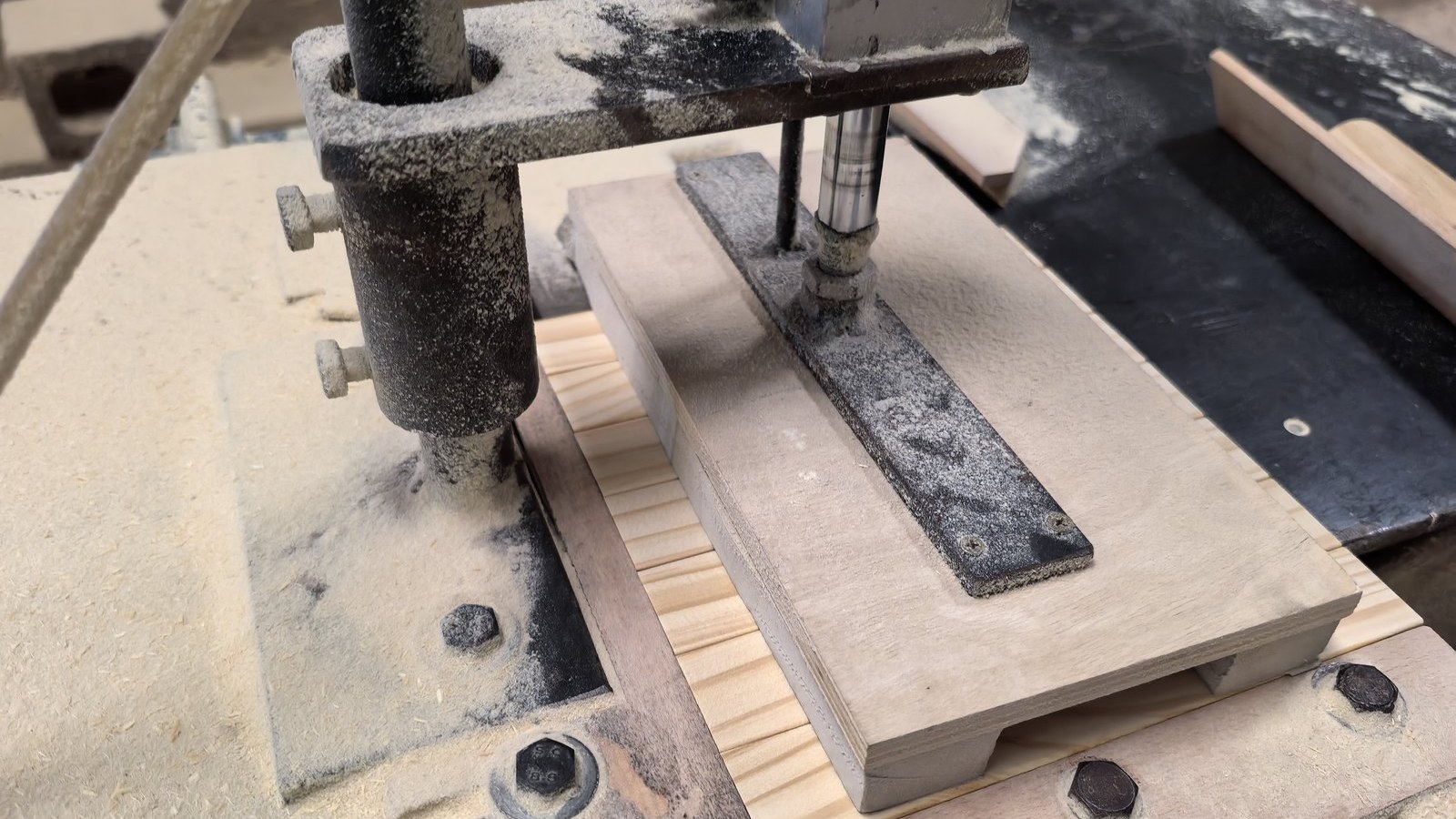
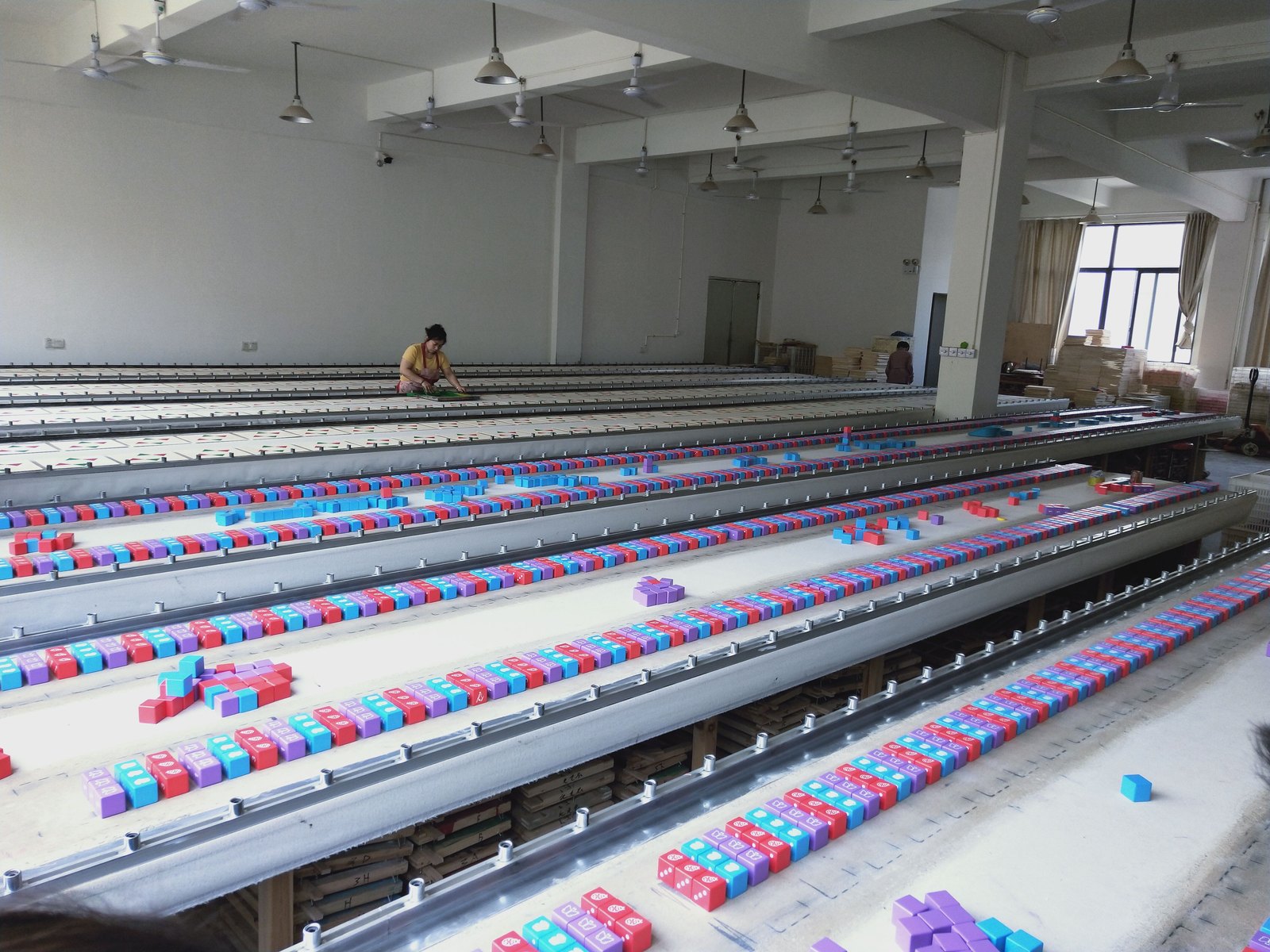
- The factory address and a short video of the workshop, including the cutting, sanding and painting areas.
- The name on the business licence and the name on the export documents.
- A recent production photo of the exact item, not a catalogue render.
- If you can travel, a visit. In Yunhe, a two-day trip can cover several factories.
3. Ask for item-specific test reports
This is the most common place buyers get caught. A supplier sends an EN71 certificate that covers a different model, or an ASTM report from three years ago with no CPC. The report has to name the item you are buying.
For Europe, the relevant standard is EN71-1 (mechanical and physical), EN71-2 (flammability) and EN71-3 (migration of certain elements). For the United States, ASTM F963-23 and CPSIA apply, and a Children's Product Certificate is required for children's products.
Ask for the report number, the item code, the laboratory and the date. Then check that the item code on the report matches the quotation. A good supplier will send the report without a fight.
4. Compare the carton, not just the unit price
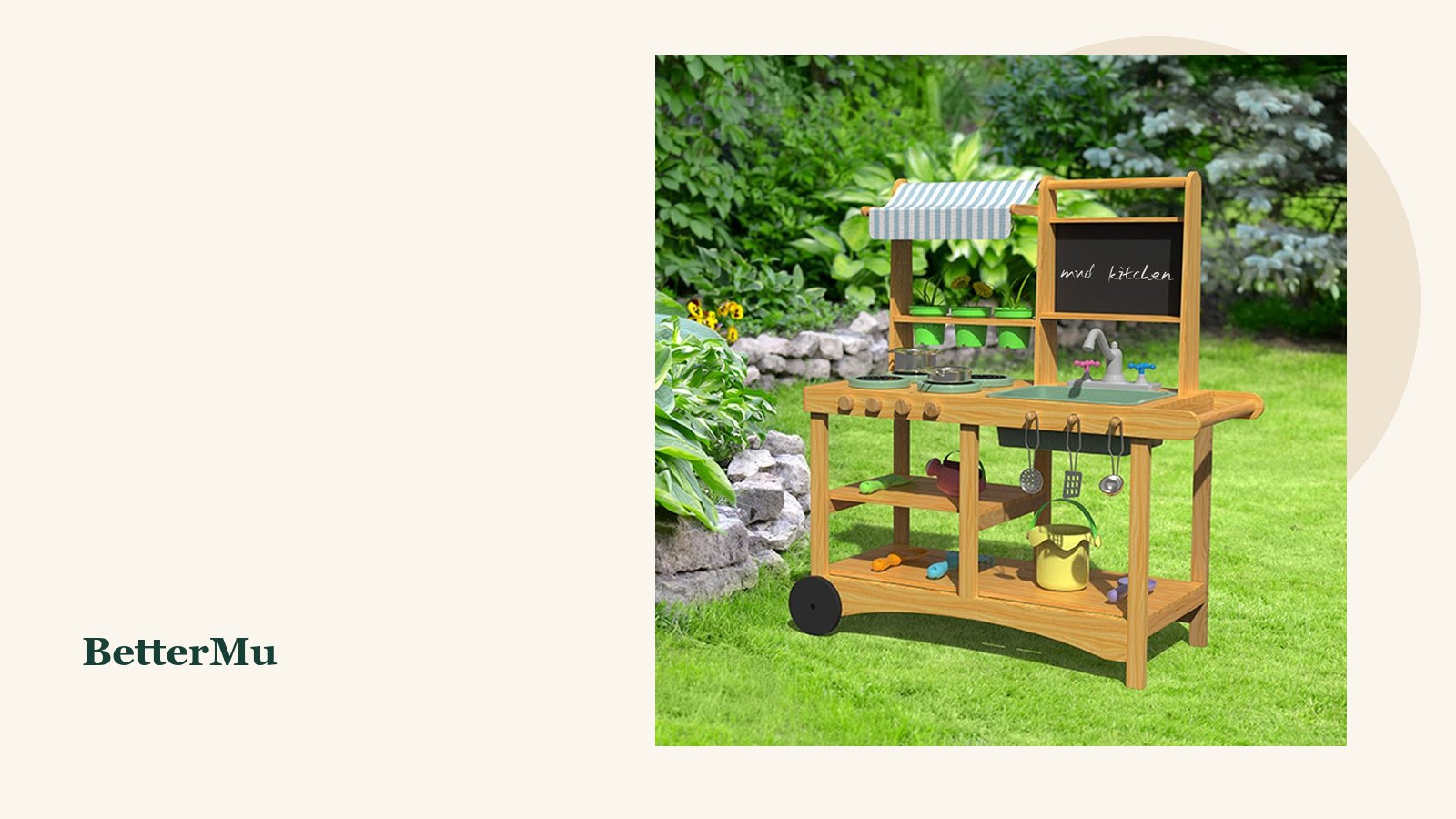
Two suppliers can quote the same unit price and deliver very different landed costs. A wooden play kitchen is volume, not weight. The carton dimensions, the pack quantity and the pallet plan decide how much air you ship.
Ask for the packed volume per unit, the carton dimensions, the gross weight and the number of cartons per pallet. Multiply by your freight rate. A 10% higher unit price with a 25% better carton can be the cheaper option.
| Quote item | Why it matters |
|---|---|
| Unit price at MOQ | The baseline, not the decision. |
| Carton dimensions and pack quantity | Drives freight and warehouse cost. |
| Gross / net weight | Drives freight and manual handling. |
| Cartons per pallet / container | Drives the loading plan. |
| Sample and tooling cost | Part of the true first-order cost. |
| Test report cost | Sometimes quoted separately; confirm who pays. |
5. Confirm the MOQ and the sample process in writing
“50 pieces” can mean 50 per colour, 50 per carton or 50 per order. Ask which. Confirm the sample fee, the sample lead time and whether the fee is credited against the bulk order. Confirm what happens if the sample is not approved.
At BetterMu, stock designs start at 50 pcs per item. A new colour or printed carton can usually stay at that level; a new shape or tooling is a project with a higher MOQ. We put the MOQ, sample fee and credit terms in the quotation so there is no second conversation later.
6. Agree inspection and spare parts before the deposit
Wooden toys are assembled from parts, and parts go missing. Ask how the supplier handles a missing fittings bag, a damaged panel or a paint variation. A written spares procedure is worth more than a vague promise.
For the inspection, agree the AQL level, who attends and what happens if the batch fails. A supplier who welcomes inspection is usually a supplier who expects to pass.
Red flags
- A price far below the material cost of the product.
- A test report that does not name the item.
- No factory address, or a “factory” that is a residential building.
- Pressure to pay a deposit before a sample is approved.
- No written MOQ, lead time or carton specification.
The short version
Source the factory, not the catalogue. Ask for the report that names the item. Price the carton. Put the MOQ, sample and inspection terms in writing. Then place a small order and see whether the second one is the same.
If you want a second opinion on a quotation, send it to us. We will tell you what looks right and what looks thin — even if the answer is that you should buy from someone else.
Frequently asked questions
How long does it take to source a wooden toy from China?
A stock item can ship in 2–3 weeks if it is available. A custom item typically takes 10 days for a sample, 1–2 weeks for testing and about 30 days for production after sign-off.
Do I need a Chinese agent?
Not necessarily. A factory that exports directly can handle the documents. An agent helps if you are buying from several small factories or need consolidated shipping.
What is a good first order size?
Start with 50–200 pcs per item for a stock design, or one SKU for a custom project. The goal is to test the product, the packaging and the supplier before scaling.