Quick answer: a private-label wooden toy carton needs the right structure, print-ready artwork, a barcode, the age marking, the warnings for the destination market, the country of origin and a proof approved before production. Start the artwork at the sample stage, not after the bulk order is confirmed.
Private label is more than a logo on a box. The carton is the product's legal label, its retail display and its protection in transit. A missing warning or a barcode in the wrong place can stop a shipment or a listing.
1. Choose the carton structure
The structure follows the product and the channel:
- Printed retail box — the standard for gift and specialty retail. Best at higher volumes because of the print set-up.
- Plain carton with a printed label — the sensible route for a 50–200 pc trial. Lower cost, still carries your brand and the legal text.
- Display carton — a shelf-ready box with a tear-off front or a window. Useful for independent retail.
- Poly bag with a header card — for small impulse items. Keep the recycled content and the warning text in mind.
2. Put the legal text on the artwork
The exact requirements depend on the market, but a children's toy carton usually needs:
- Product name and item code.
- Age grading and the relevant warning (for example, “Not suitable for children under 36 months. Small parts. Choking hazard.”).
- Country of origin.
- Manufacturer or importer name and address.
- Batch or date code where required.
- CE mark and the importer details for the EU; the CPC reference for the US where applicable.
- Barcode (EAN/UPC) and, for online sales, the carton dimensions and weight.
3. Design for the shelf and the screen
The front panel has one job: make the product understandable in two seconds. Show the toy in use, not only the toy on white. Put the age and the piece count where a parent can see them. Keep the back panel for the story, the warnings and the barcode.
4. Proof it properly
Ask for a digital proof and, for a large order, a physical pre-production sample. Check the spelling, the barcode number, the age marking and the colour against your brand guide. A reprinted carton is expensive; a corrected PDF is free.
5. Plan the timeline
Artwork should start when the sample is approved. A typical timeline is 3–5 days for the proof, 5–7 days for the print, and then the carton is ready for the production line. If the carton arrives late, the production date moves.
6. Pack for transit
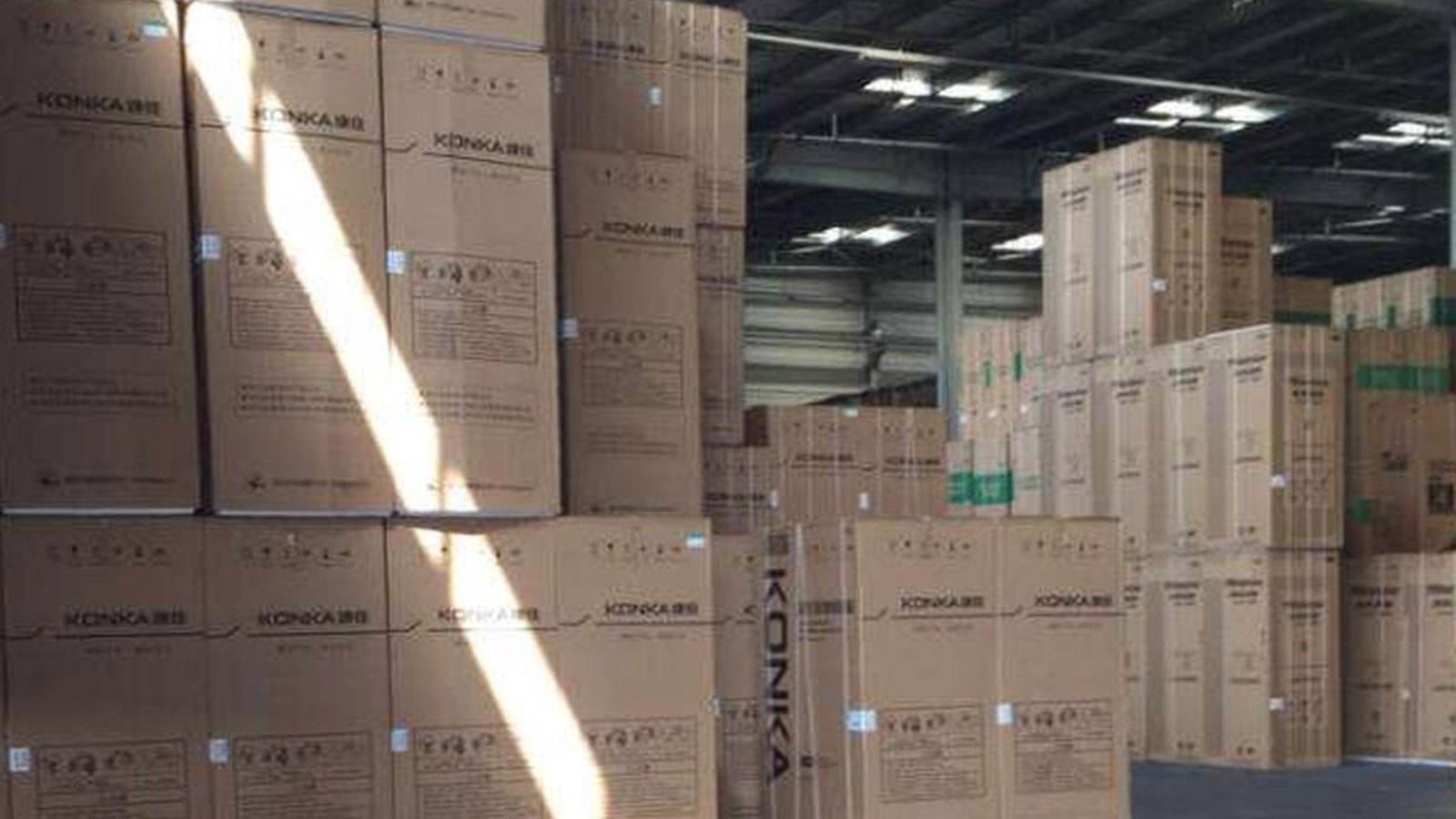
The retail carton is not the shipping carton. Agree the master carton, the pack quantity, the pallet plan and any edge protection. For online sellers, a mailer-ready carton may be worth the extra cost.
The checklist
- Structure chosen and quoted.
- Artwork template with the dieline.
- Barcode and age marking checked.
- Warnings and country of origin checked.
- Digital proof approved in writing.
- Physical sample approved for large orders.
- Master carton and pallet plan confirmed.
- Print lead time built into the production schedule.
The short version
A private-label carton is a legal document and a sales tool. Choose the structure for the volume, put the legal text on the artwork, proof it in writing and start early. The product is not ready for production until the carton is.
Frequently asked questions
Can you print our barcode?
Yes. Send the EAN/UPC number and we will place it on the artwork and verify the scan before print.
Do you provide a dieline?
Yes. We supply a dieline for the chosen carton size, or work from your designer's template.
What is the minimum for a printed carton?
A printed label on a plain carton works from 50 pcs. A full-colour printed box is usually economical from a few hundred pieces.
Who owns the artwork?
You do. We keep the production file for repeat orders and do not use it for other customers.